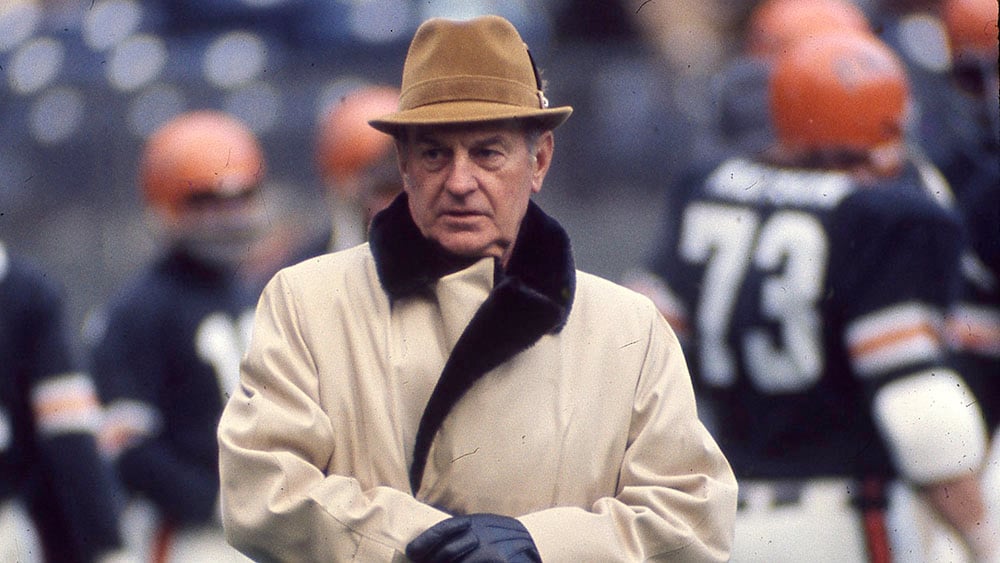
Paul Brown
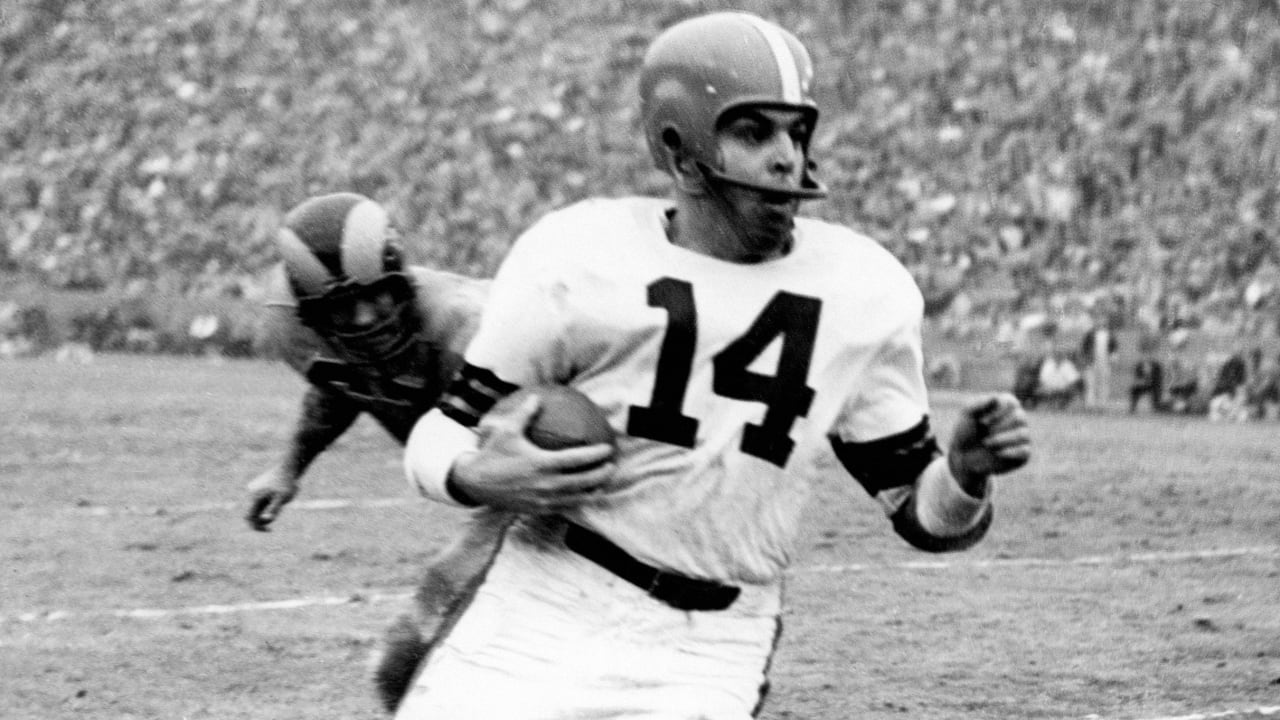
Otto Graham
Lou Groza
Marion Motley
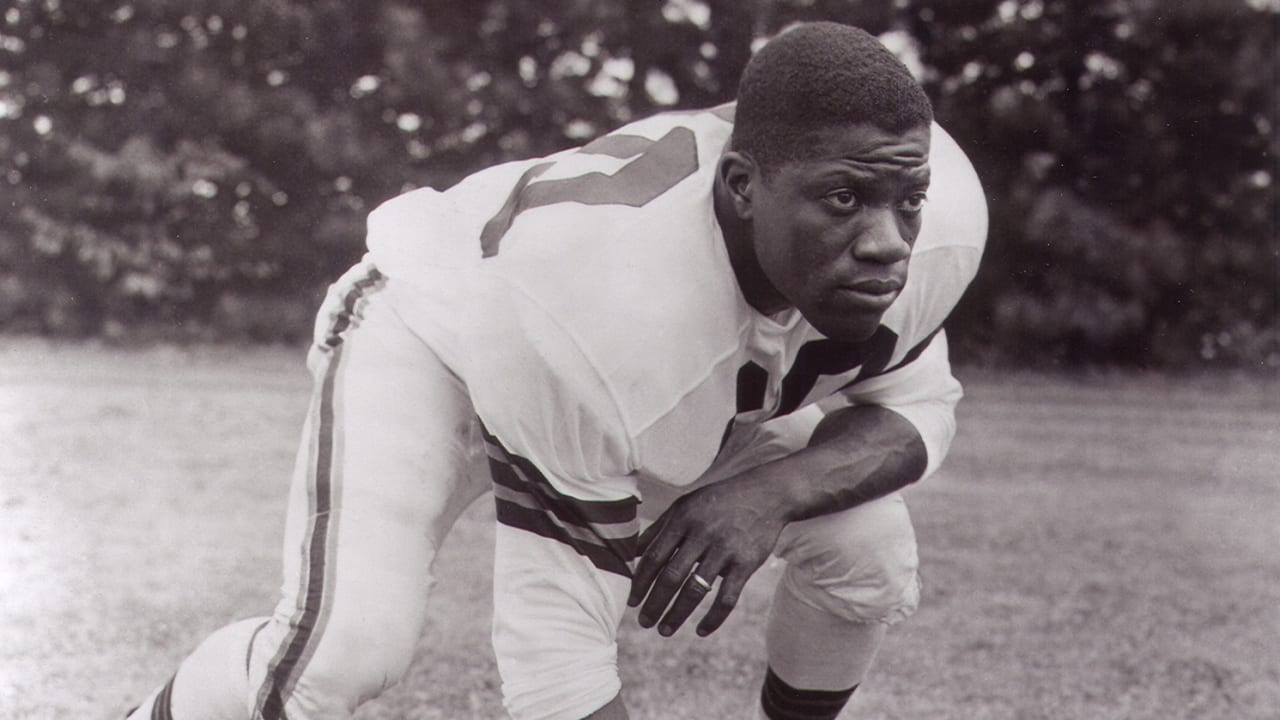
Bill Willis
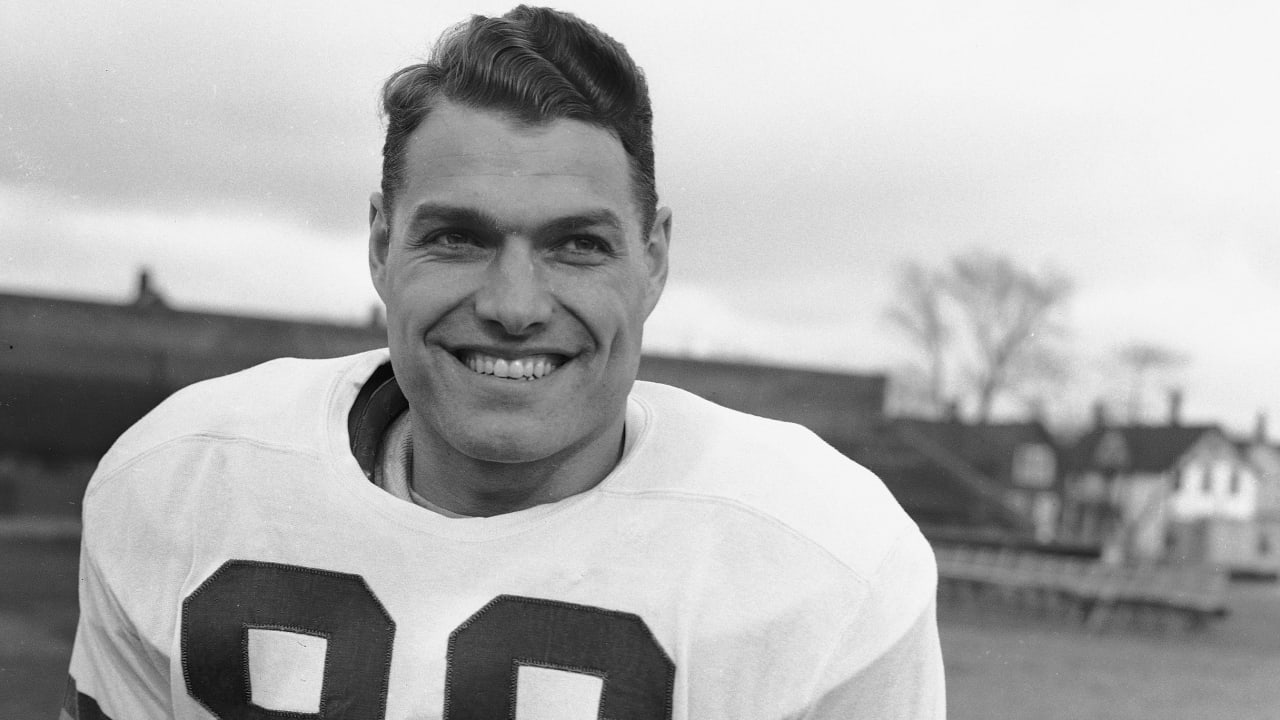
Dante Lavelli

Frank Gatski
The Cleveland Browns were founded in 1944, or 1945 depending on where you read, by businessman Arthur B. "Mickey" McBride, although they didnt actually begin playing games until the 1946 season. McBride then hired the legendary Paul Brown as the team's first ever head coach and general manager. Despite Paul Brown's objections at first, this new franchise eventually came to be named after him after the name was chosen in a fan contest. The Browns did not start in the NFL. Instead, they began their existence in a rival league called the All-America Football Conference (AAFC). The Browns would also make history before they even began playing, signing Marion Motley (a fullback and linebacker) as well as Bill Willis (a defensive tackle and an offensive guard), who broke the color barrier in professional football months before Jackie Robinson did the same in baseball. As World War II began to wind down in 1945, the Browns began to fill out their initial roster, signing quarterback Otto Graham, who was serving in the Navy at the time. The Browns also signed offensive guard and kicker Lou Groza and wide receivers Dante Levelli and Mac Speedie. The Browns would proceed to go on an absolutely dominant and legendary run in their first few years in the AAFC, and continuing on when they eventually joined the NFL in 1950. This run was so legendary that seven figures from that era, Paul Brown, Otto Graham, Lou Groza, Marion Motley, Bill Willis, Dante Lavelli and Frank Gatski (who played center and linebacker) were all later inducted into the Pro Football Hall of Fame in Canton, Ohio, as well as being inducted into the Cleveland Browns Ring of Honor.
Paul Brown
Otto Graham
Lou Groza
Marion Motley
Bill Willis
Dante Lavelli
Frank Gatski
The Cleveland Browns played their first ever regular season game on September 6, 1946 against the then Miami Seahawks, who would go on to become the first iteration of the Baltimore Colts, at the old Cleveland Municipal Stadium, which they shared with the MLB's Cleveland Indians, which the Browns won by a score of 44-0. This kickstarted a run of absolute dominance from the Browns. Over the Browns' four seasons playing in the AAFC, from 1946-1949, they won the AAFC Championship all four of those years, with a combined record of 47 wins, 4 losses and 3 ties. Otto Graham was an absolute star in these four seasons, throwing for 10,085 yards combined across those four seasons. Marion Motley, who rushed for around 3,024 yards during those four season, was the AAFC's all time leading rusher. This incredibly dominant run earned the Browns a diehard and dedicated fanbase from the very beginning, which was helped by the other team in town, the Cleveland Rams, having moved to Los Angeles back in 1946. Ironically, the Browns ended up being the main reason that the AAFC fell apart after 1949, with their absolute dominance exposing a massive parity problem within the conference. Other factors included the constant competition for players with the rival NFL, which led to massive financial instability. So, in 1949, the AAFC and NFL came to agreement which saw the extinction of the AAFC and saw the Cleveland Browns, the San Francsico 49ers and the Baltimore Colts join the NFL, while the other AAFC franchises ceased to exist.
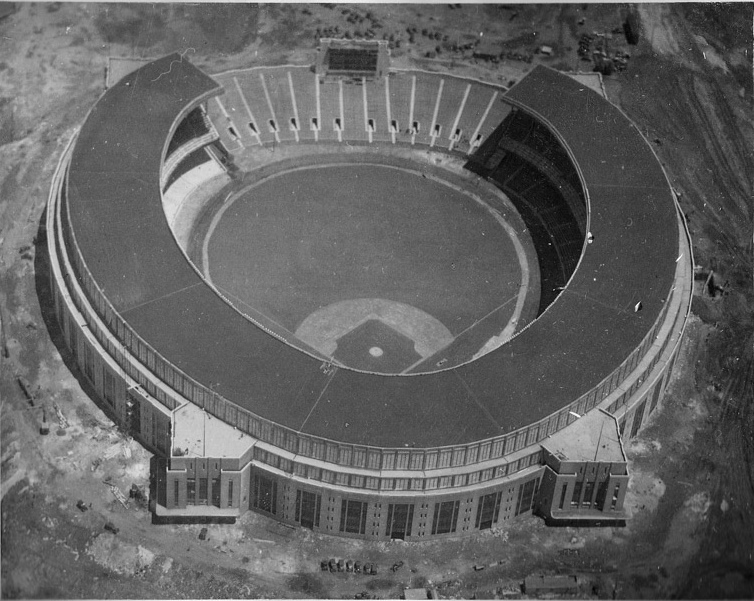
Cleveland Municipal Stadium
Due to the fact that no AAFC vs NFL games were ever played, the Browns' arrival into the NFL for the 1950 season was a massive test to see if the Browns' dominance in the AAFC, which was perceived as being the inferior league to the NFL, could carry over against more established teams. The Browns passed the inital test with flying colors in the season opener, demolishing the two time defending champion Philadelphia Eagles by a score of 35-10 in the season opener. The Browns would go on to finish the 1950 season with a 10-2 record and defeating the New York Giants and then the Los Angeles Rams, the latter of which came on a last second field goal by Lou Groza, to win the NFL Championship. The Browns defended their title in 1951 with an 11-1 record before falling to the Rams in a rematch of the previous season's NFL Championship game, which began a streak of three season (from 1951-1953) in which the Browns lost in the NFL Championship game, the latter two coming at the hands of the Detroit Lions. It was before that 1953 NFL season that the Browns were sold for $600,000 to a group of wealthy Cleveland men, Dave R. Jones, Ellis Ryan, Homer Marshman and Saul Silberman. The Browns entered the 1954 season percieved as one of the top teams in the NFL, but things were starting to fall apart slightly. Otto Graham was pondering retirement after the season. Marion Motley retired at the beginning of the season due to a bad knee. Bill Willis also retired before the season. Even still, the Browns went 9-3 during the regular season and met the Lions in the NFL Championship game for a third straight year, this time winning 56-10. Paul Brown then managed to convince Otto Graham to come back for the 1955 season, which saw the Browns go 9-2-1 and beat the Rams in the NFL Championship game. Otto Graham did retire after that championship game, capping a ten year run in which he made the championship game every single year of his career, winning seven of them (four in the AAFC and three in the NFL). He also won the NFL MVP award three times, in 1951, 1953 and 1955.
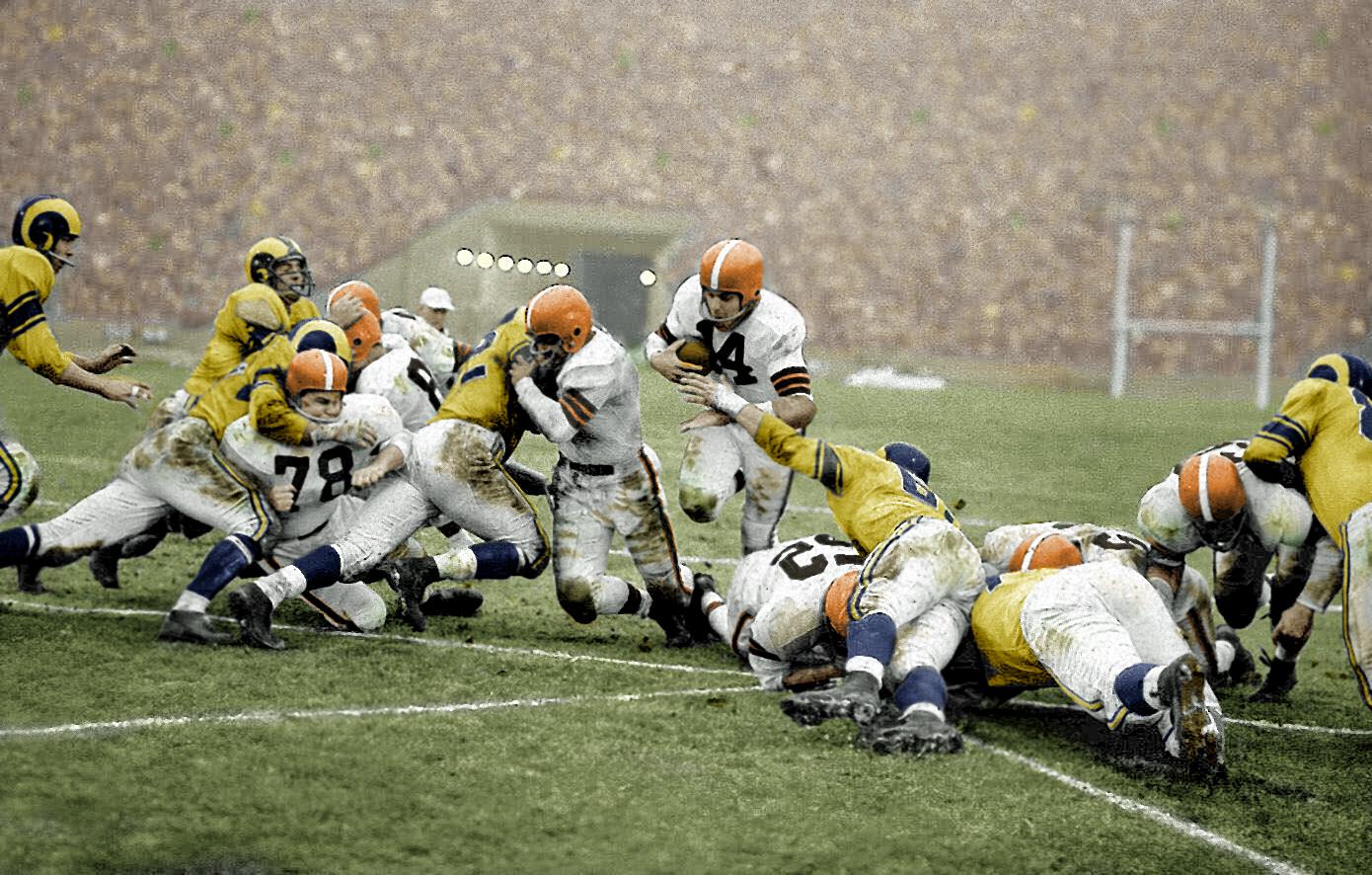
1955 NFL Championship Game
The Browns' first year without Otto Graham at the helm was a struggle, with the team going 5-7 in 1956. However, in the first round of the 1957 NFL Draft, the Browns drafted a fullback by the name of Jim Brown out of Syracuse University with the 6th overall pick. He led the NFL with 942 rushing yards during his rookie year, where the Browns went 9-2-1 and got demolished 59-14 by the Lions in the NFL Championship game. For this, he won the MVP award, and is, to date, the only rookie to do so. He also won the Rookie of the Year award. During his sophomore season in 1958, Brown ran for a then league record 1,527 yards, which was double the amount of anyone else if the league. The Browns ended that season going 9-3 and lost in the Conference Playoffs to the New York Giants, although Jim Brown won his second MVP award. The Browns had two completely average seasons in 1959 and 1960, going 7-5 and 8-3-1, although Jim Brown did lead the league in rushing both of those seasons. However, Paul Brown and Jim Brown were feuding behind the scenes, with Jim brown questioning how his coach did things. The conflict was only amplified during halftime of a game in 1959, where Paul Brown doubted how severe a Jim Brown injury actually was. In March of 1961, the Browns were sold to Art Modell for $3.925 million. The 1961 season was consistent in that Jim Brown led the league in rushing once again, as well as the team having an average season going 8-5-1. More and more players, including Jim Brown, began to openly question Paul Brown and his tactics. This led to a growing rift in between Paul Brown and Art Modell. That rift only became bigger throughout the 1962 season, where the Browns go 7-6-1 and was the only season that Jim Brown didn't lead the league in rushing for his entire career. The rift between Modell and Paul Brown came to a head on January 9th, 1963 when Art Modell announced that Paul Brown had been fired as both the team's head coach and general manager and that he was being replaced by his chief assistant, Blanton Collier as head coach. In Collier's first season in 1963, the Browns went 10-4, but fell short of the championship. Jim Brown had an outstanding season, rushing for 1,863 yards and winning MVP. The Browns went 10-3-1 in 1964 and captured the Jim Brown's first, and only, championship after destroying the Baltimore Colts. The Browns returned to the championship game in 1965 with an 11-3 record, and Jim Brown's third MVP award, but were defeated by Vince Lombardi's Green Bay Packers at Lambeau Field. After that 1965 NFL Championship game, the NFL and AFL (American Football League) merged, which gave rise to the Super Bowl era in the 1966 season. Jim Brown, who was also an actor, was delayed in London while filming "The Dirty Dozen" due to bad weather conditions, which meant he would have to miss some training camp time. After Modell threatened to fine him for every training camp that he missed, Jim Brown retired before the 1966 season instead of after it, which was his original plan. Jim Brown retired after nine seasons as a champion, a three time MVP and was a Pro Bowler in each of his nine seasons who led the league in rushing in eight of nine years. His historic level of dominance, which included 12,312 rushing yards and 106 rushing touchdowns (126 total touchdowns), both of which were NFL records at the time. He is also, to date, the only player in history to average over 100 rushing yards per game for his entire career, 104.3 to be exact. For this, Jim Brown is widely considered to be the best player in Browns' franchise history, as well as one of the best players in NFL history. He was inducted into the Pro Football Hall of Fame in 1971. FInally, Lou Groza became the last of original 1946 Browns to retire, retiring at the age of 44 after 21 seasons, a moment which he said, in his memoir, was "the saddest day of my football life.
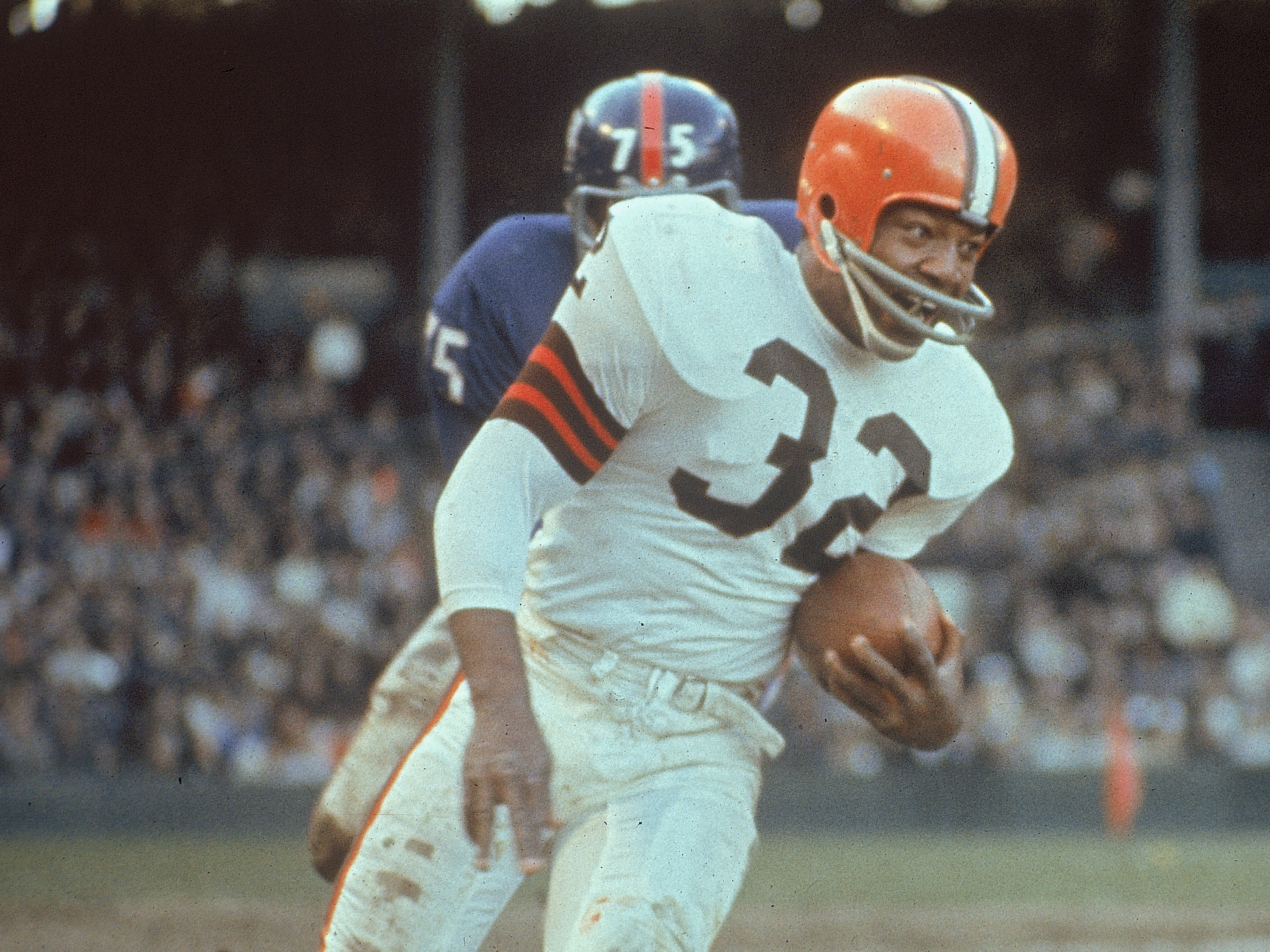
Jim Brown